

 Supplying Cleanrooms Online for Over 20 Years
 Tailored Account Managed Solutions

You’ve built, installed, and validated your cleanroom, now it’s time to stock it with the essential tools and consumables to support your production process, equip your team, and keep your controlled environment contamination-free.
With so many options, and the increasing pressure to remain compliant with ISO and GMP standards, it can be challenging to know where to start and which solutions will work best for your specific applications.
In this blog, we break down the key cleanroom essentials for your facility’s inventory, who they’re best suited to, and how they’ll support your team and processes.
GMP vs ISO: What's the Difference for Stocking Your Cleanroom?
Both GMP (Good Manufacturing Practice) and ISO 14644 standards outline the parameters a cleanroom must operate within to maintain a certain standard of cleanliness. However, their approach and requirements for gowning, cleaning, and particle monitoring can vary.
ISO 14644 follows a risk-based approach and defines acceptable airborne particulate levels in order to achieve a certain ISO class. All products, clothing, and solutions allowed within the environment are based on the contamination control plans and should aim to reduce contamination maintaining the desired particulate levels.
With an expectation to also follow a risk-based approach, GMP guidelines also mandate specific products for each cleanroom grade for sterile manufacturers, with certain specifications and requirements for gowning, disinfectants, and equipment (i.e., sterile, low-residue, and low-linting).
Regardless of ISO classification or GMP grade, all cleanrooms should implement the appropriate tools, techniques, and procedures to effectively reduce contaminations and maintain acceptable particle levels.
Essentials for Cleanroom Users
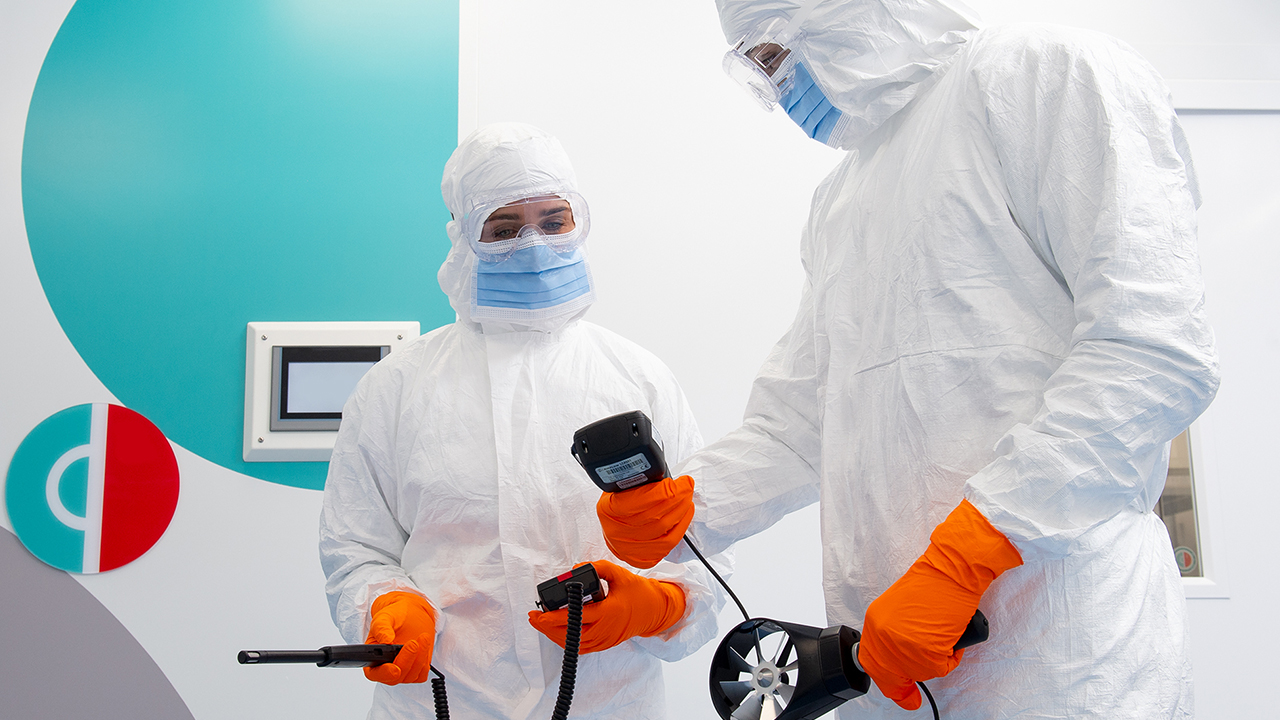
Cleanroom clothing are specifically designed garments worn to protect the product and the user from contamination and potential hazards. These include coveralls, gloves, headwear, and footwear, that retain particles shed by the body (i.e., skin flakes, hair, oils, and perspiration) preventing them from entering the environment and disrupting production quality.
Gowning requirements vary depending on the cleanroom classification and production processes.
Cleanroom Coveralls
Cleanroom coveralls are typically one-piece garments that cover the user’s torso, legs, and, in some cases, the head, hands, and feet. They’re made using low-linting, non-shedding synthetic materials which won’t release fibres into the cleanroom environment.
In GMP environments, sterile coveralls are mandatory in grade A and B areas, while a protective suit is required in grades C and D. ISO 14644 doesn’t dictate what cleanroom users must wear, however, it’s best practice to utilise coveralls for all ISO classes as they offer the most effective barrier between personnel and products, ensuring a minimal number of particles are released into the environment.
Our recommended cleanroom coveralls include:
For ISO Cleanroom Environments
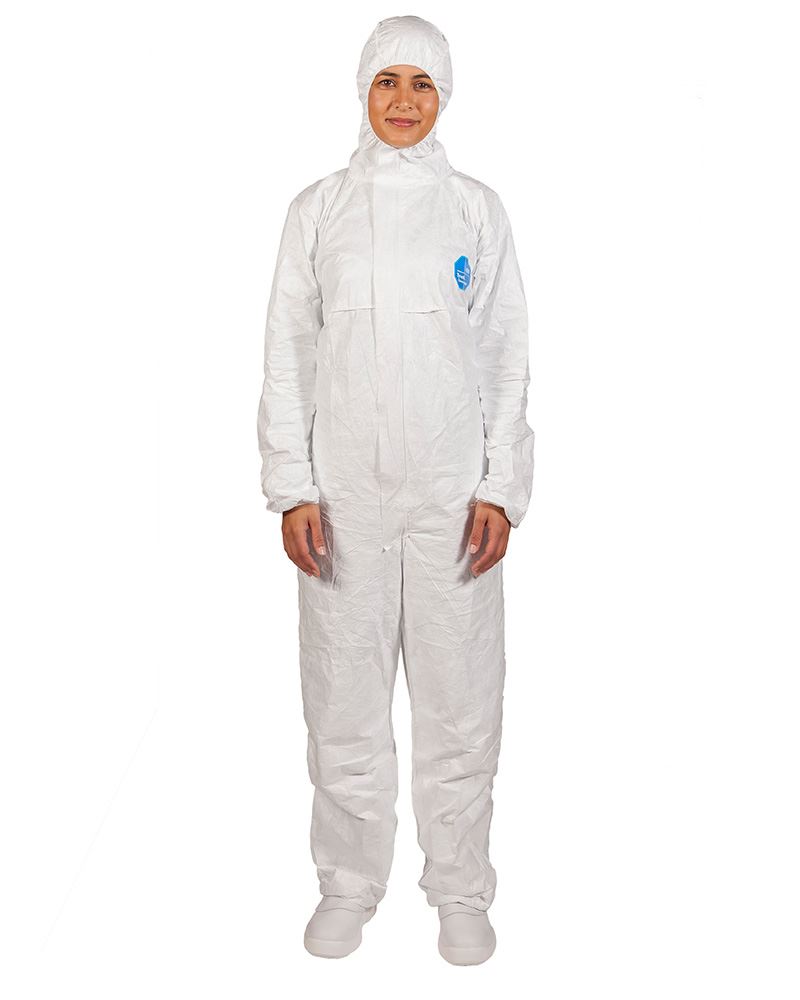
DuPont™ Tyvek® 500 Xpert Hooded Coverall
For GMP Cleanroom Environments
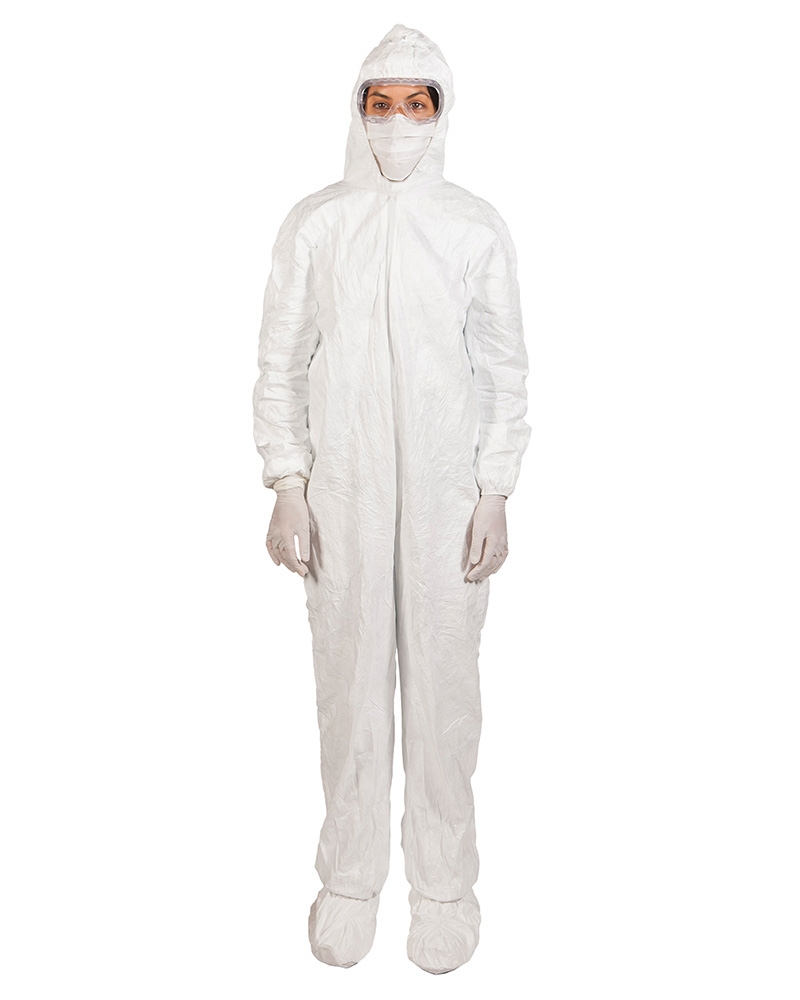
DuPont™ Tyvek® IsoClean Sterile Hooded Coverall
Cleanroom Gloves
Cleanroom gloves protect both the operator’s hands and the cleanroom environment, preventing particle transfer, microorganisms, and injuries from hazards. Typically made using nitrile, latex, or neoprene, they’re manufactured and packaged to meet cleanliness requirements with low particle shedding.
In GMP-regulated facilities, sterile disposable gloves are mandatory in grades A and B, with double-gloving (one pair for gowning, and a second pair donned for cleanroom work) required to reduce the risk of contamination. The requirement for gloves in grades C and D must be considered through a risk-based approach, with a requirement when performing activities considered to be a contamination risk. Under ISO 14644, cleanroom glove types aren’t mandated and are instead selected based on contamination control needs, risk, and process demands.
Our recommended cleanroom gloves include:
Non-Sterile Gloves
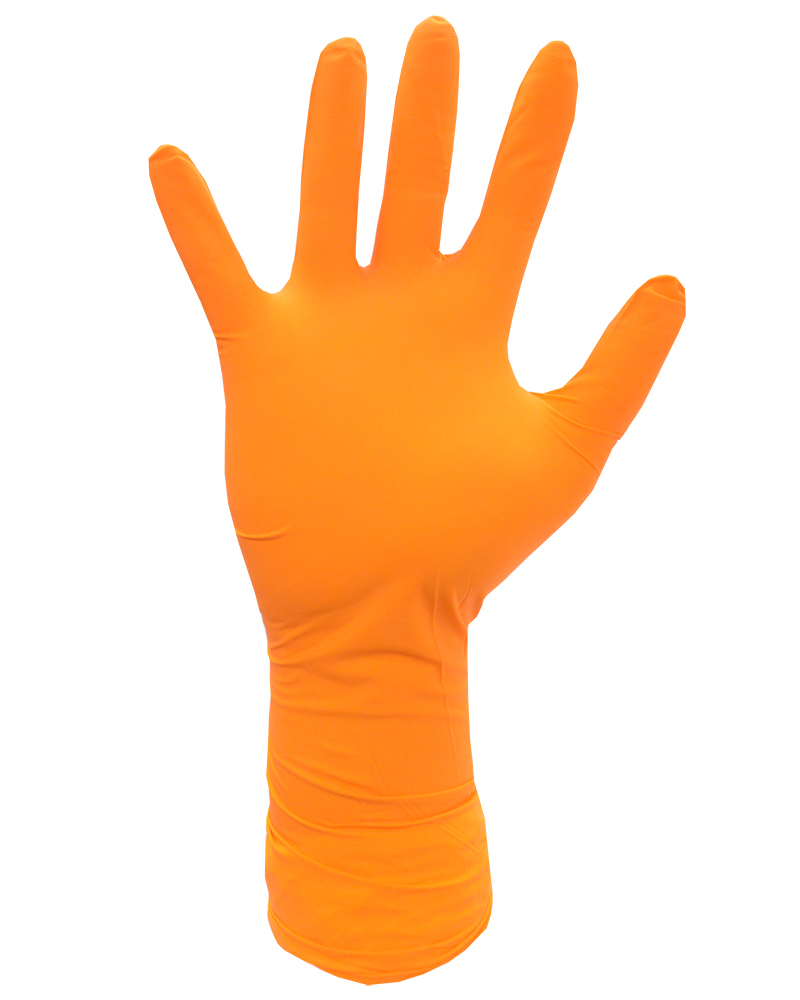
SHIELDskin™ ORANGE NITRILE™ Non-Sterile Gloves
Sterile Gloves
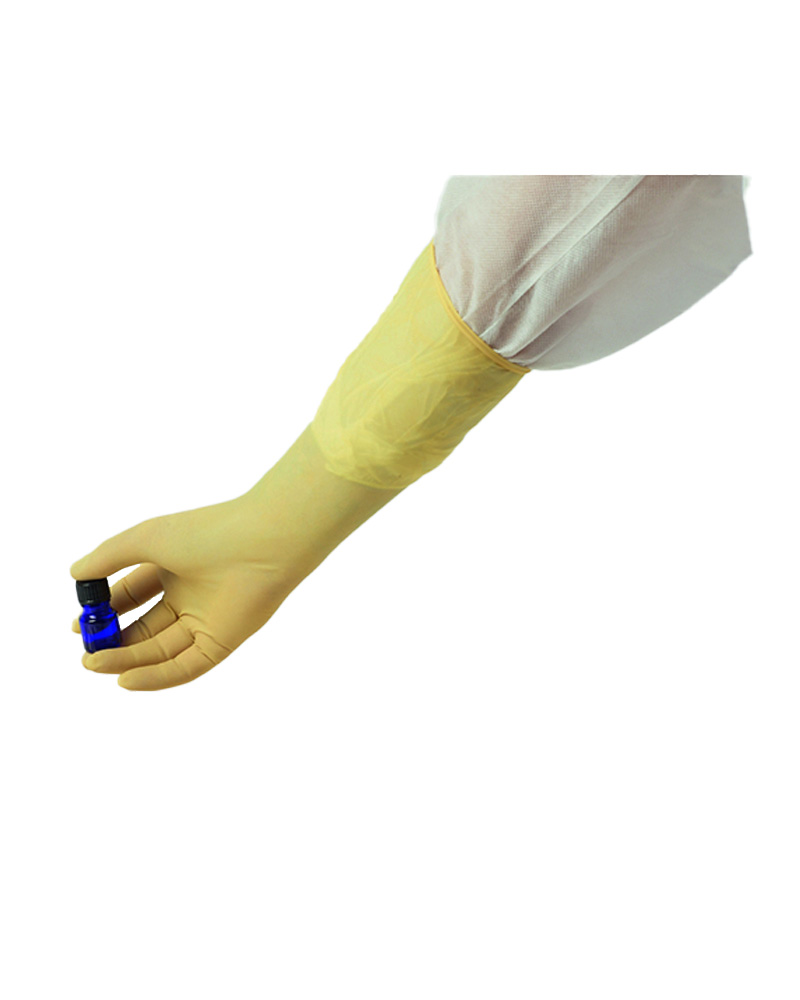
SHIELDskin™ XTREME™ Sterile Latex DI+ Gloves
Cleanroom Footwear
Cleanroom footwear includes specialist shoes, boots, and disposable overshoes that minimise the spread of contamination, prevent static build-up, and provide comfort and protection for the user. While some footwear products have a one-time use, reusable options are manufactured to be easily cleaned, disinfected, or autoclavable, reducing the spread of contaminants.
GMP cleanrooms mandate the use of dedicated cleanroom footwear or overshoes – with sterile, full lower-leg coverage options for grades A and B. ISO 14644 cleanrooms, it’s recommended to use dedicated cleanroom shoes or disposable overshoes within the cleanroom environment.
Our recommended cleanroom footwear includes:
Overshoes
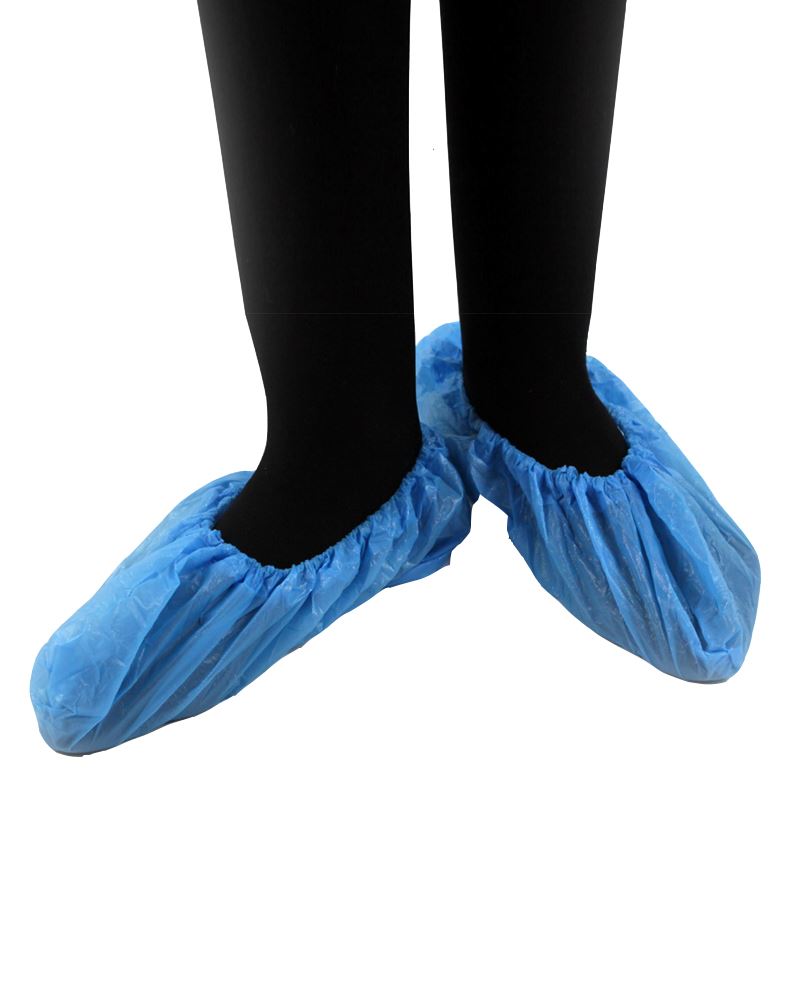
Pal CPE Overshoe
Shoes
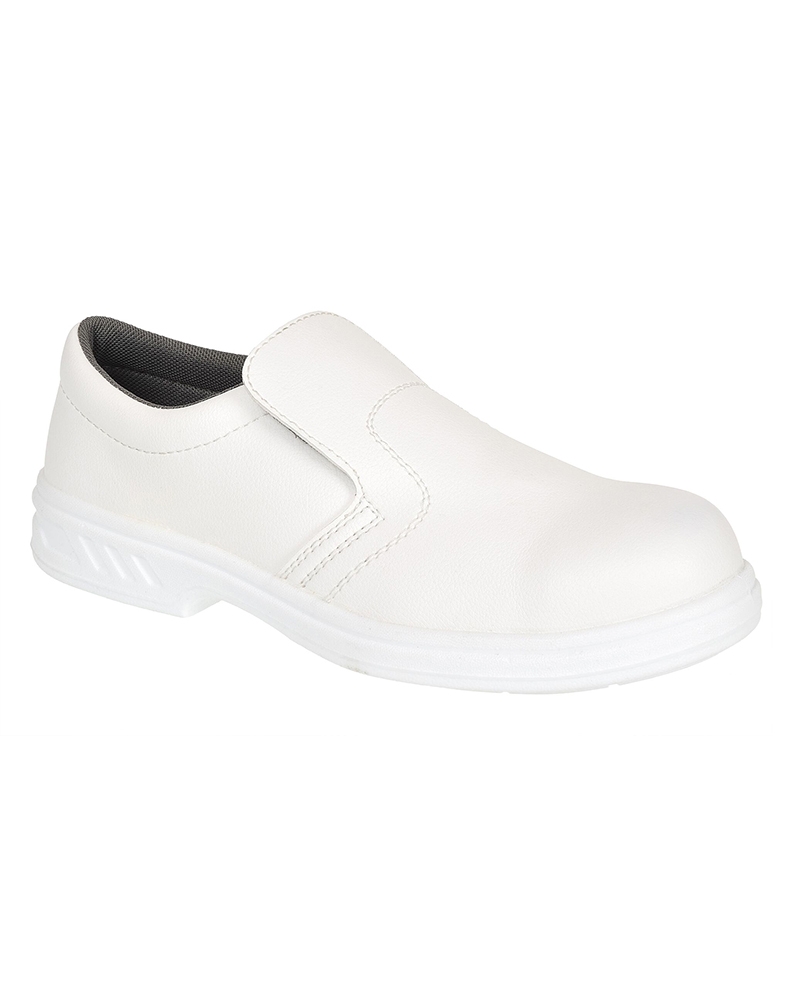
Portwest Teelite Slip-On Safety Shoe
Cleanroom Accessories
Cleanroom clothing accessories aren’t core items like coveralls, gloves, and footwear; however, they play a crucial role in contamination control. These include goggles, face masks, hair nets, and neck coverings, and add an additional layer of protection against particle emissions and injuries to personnel.
In GMP facilities, hair, beards, and moustaches must be suitably covered across all grades, and as such, hair nets and neck coverings (e.g., beard snoods) are essential items of PPE. Sterile face masks are mandatory accessories in grades A and B, with a risk-based approach applied for the requirements in grades C and D. ISO 14644 doesn’t specify mandatory accessories; however, cleanroom users should follow a risk-based approach to minimise airborne particles which accessories may be able to support.
Essentials for Cleanroom Cleaning and Disinfection
Regardless of classification and production processes, all cleanrooms must have an effective cleaning regime in place. Cleaning and disinfection products are crucial for maintaining a contamination-free environment, however, choosing the right solutions, tools, and cleaning regimes will vary depending on your cleanroom’s classification, risk, and regulatory requirements.
Cleanroom Wipes and Chemicals
Cleanroom wipes and chemicals are designed for a multitude of processes, from the removal of physical contamination, through to microbial disinfection. Wipes are manufactured from a low-shedding material with high-absorbent properties and often come pre-saturated with a consistent volume of chemical cleaning agent.
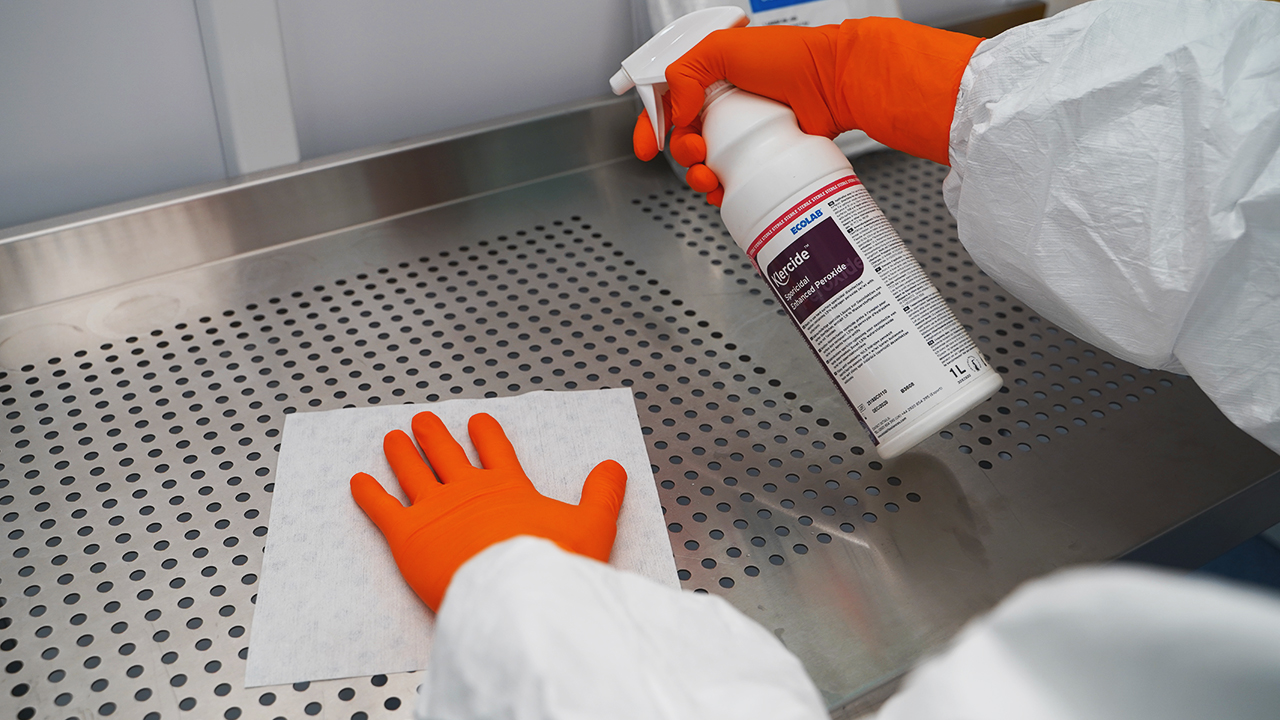
Standalone cleaning agents are available for use and provide different modes of action, from antibacterial to spordicidal, each built to tackle different types of contamination.
GMP requires the removal of physical contamination prior to disinfection, therefore, cleaning agents such as neutral detergent or purified water must be considered. In GMP grade A and B environments, cleaning agents must be sterile, and ideally be low-residue to reduce the risk of introducing further contamination into the environment. The use of a sporicidal agent must be included in the cleaning regime in all GMP cleanrooms to effectively tackle hard-to-kill microbes that standard disinfectants cannot deal with.
ISO 14644 cleanrooms don’t require specific chemicals or wipes, however, cleaning methods that control particles and contaminants with products that are non-shedding and compatible with surfaces and equipment in the room must be implemented.
Our recommended cleanroom wipes and chemicals include:
Sterile Wipes
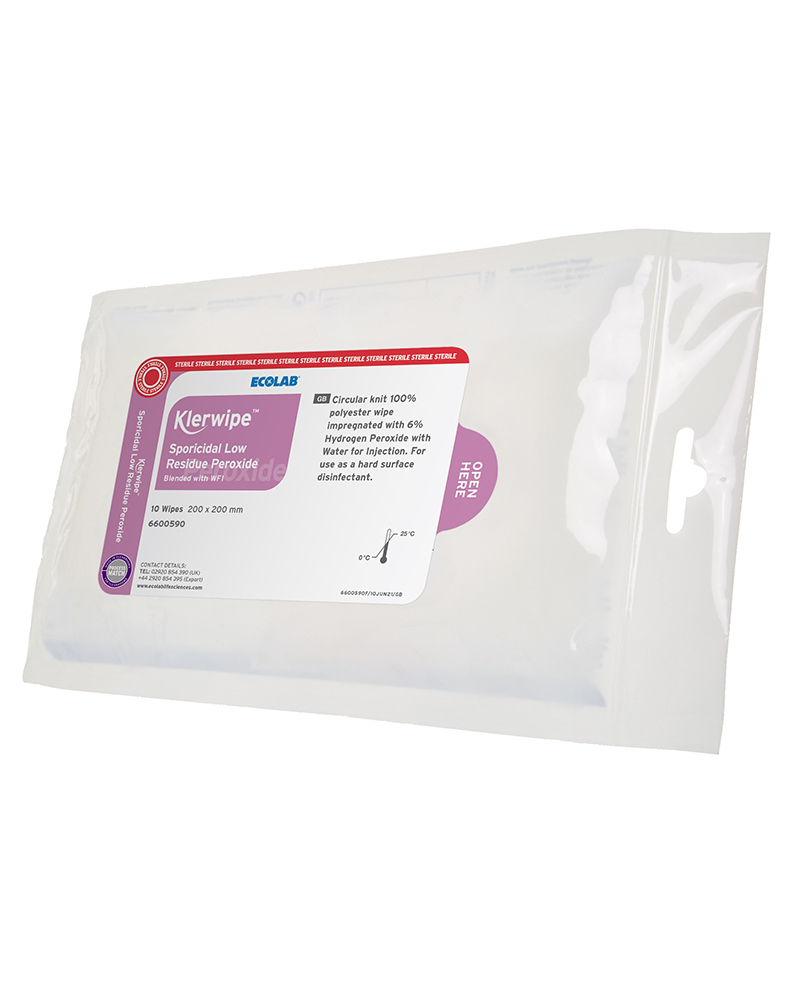
Klerwipe Sporicidal Low Residue Peroxide Wipe
Non-Sterile Wipes
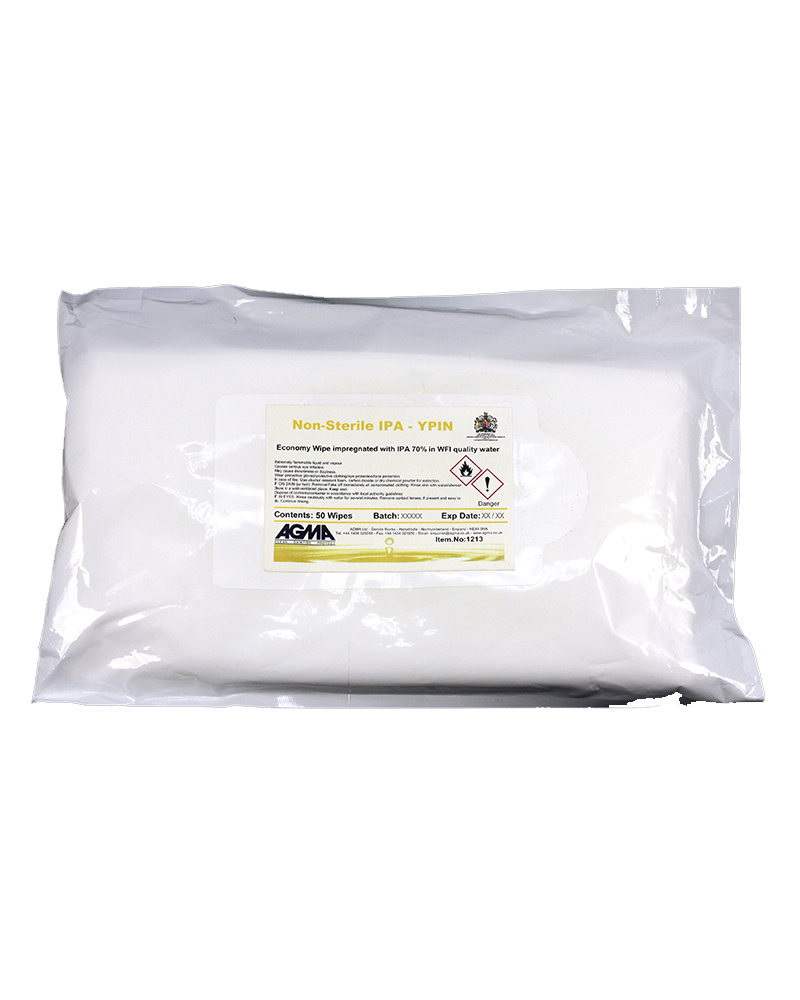
AGMA 70% IPA WFI 4YPIN Pouch Wipe
Cleaning Agent
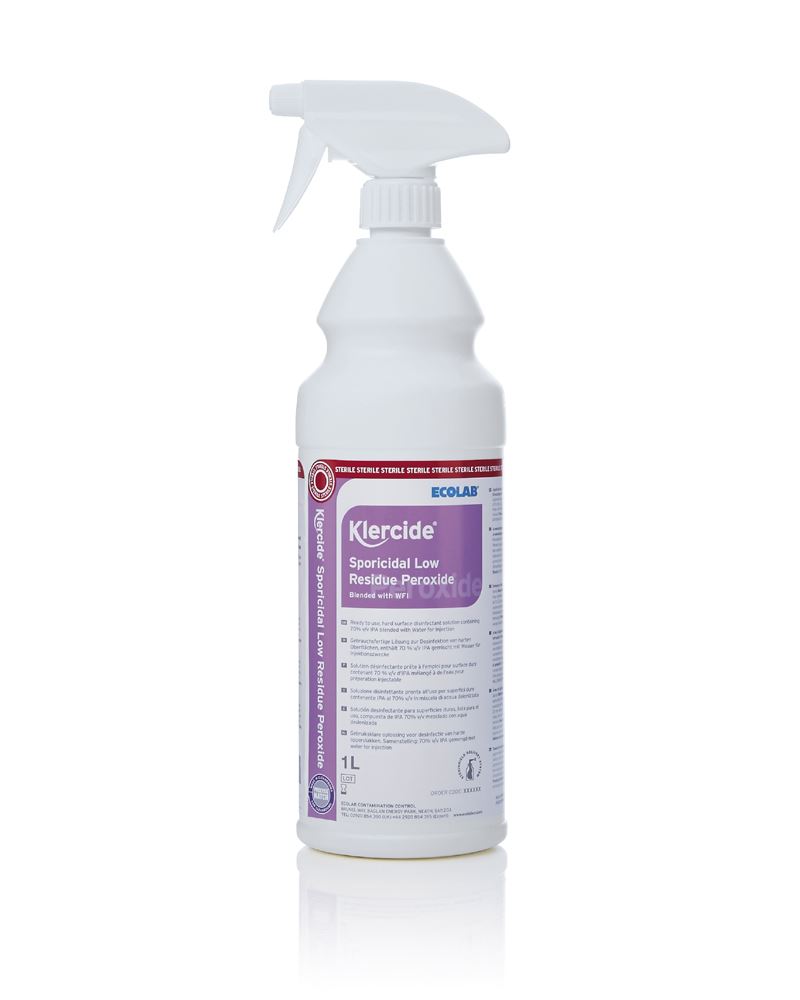
Klercide Sporicidal Low Residue Peroxide WFI Spray
Cleanroom Mopping Systems
Cleanroom mopping systems are designed to clean floors, walls, ceilings, and surfaces without shedding particles and fibres into the controlled environment. They typically feature autoclavable frames, non-shedding mop heads, and ergonomic designs to reduce operator fatigue.
In both GMP and ISO cleanrooms, a dedicated cleanroom mopping system is required over general-purpose options, both in terms of contamination control and ease of cleaning hard-to-reach areas.
Our recommended cleanroom mopping system includes:
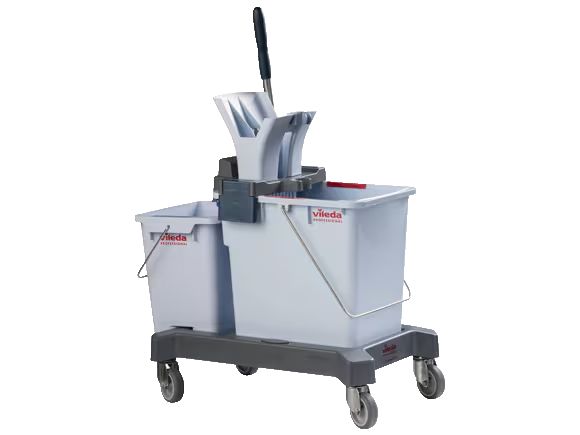
Vileda CE UltraSpeed Pro Double Bucket Mopping System
Essentials for Cleanroom Contamination Control
Maintaining the cleanliness of a cleanroom environment requires a multi-level approach to capture and remove contaminations before they impact the integrity of your production processes. Contamination control solutions are a simple, yet effective, method to significantly reduce the risk of an incident.
Cleanroom Tacky Mats
Tacky mats are compressed layers of adhesive mats placed at the entry points of cleanrooms to capture and trap dirt, dust, and debris from the footwear of personnel and wheels of equipment.
With multiple layers of mats per pack, cleanroom users can peel away and remove the top ‘dirty’ layer when required, revealing a fresh, new layer underneath. This ensures easy and efficient contamination control and supports compliance with GMP and ISO standards.
Our recommended cleanroom tacky mats include:
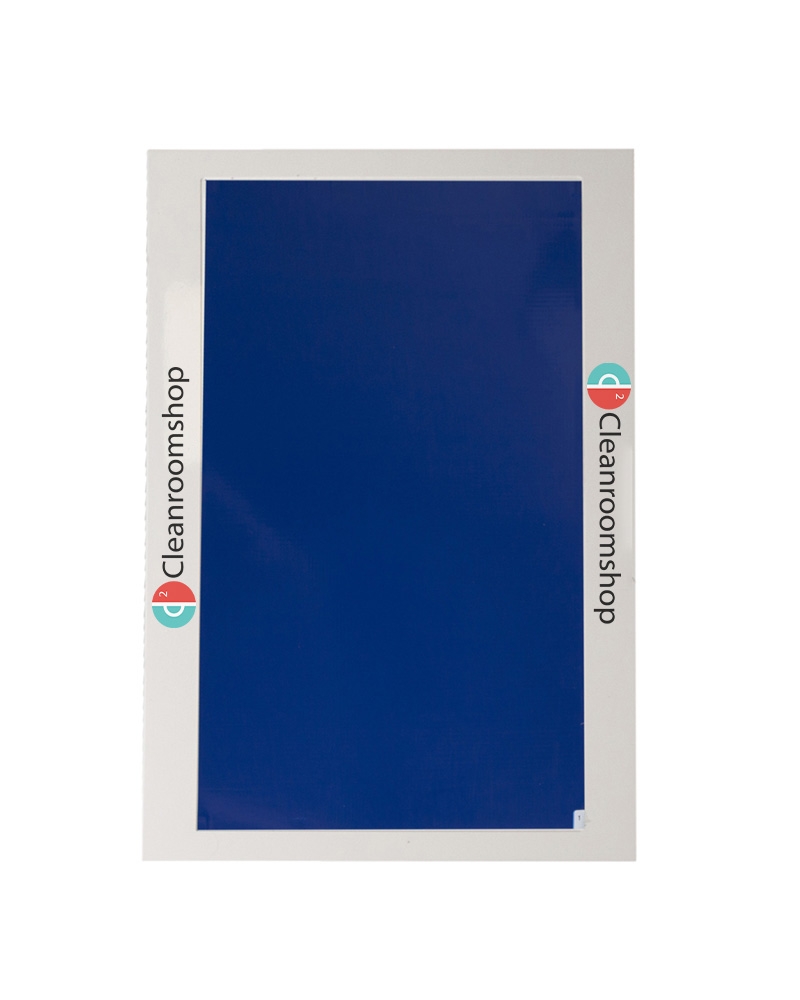
Purus International Tacky Mats
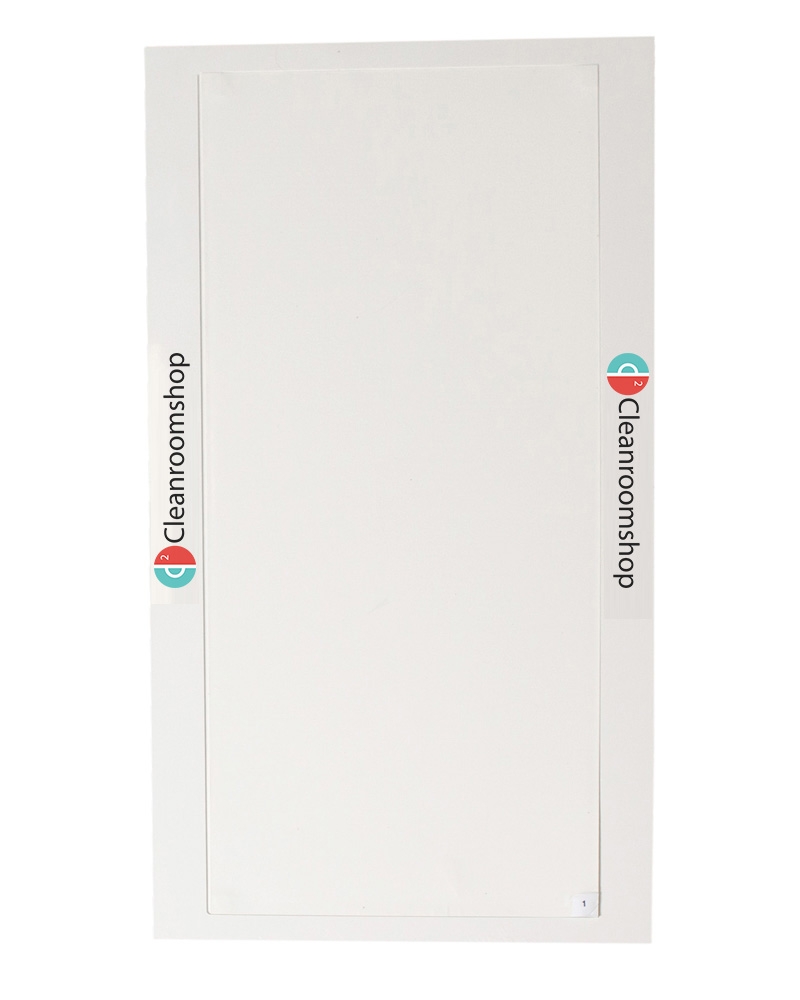
Purus International Tacky Mat Frame
Cleanroom Particle Counters
Particle counters monitor airborne particle levels; the only way cleanrooms can ensure they’re consistently meeting air quality levels in line with ISO and GMP standards. Particle counters are essential for routine environmental monitoring, during cleanroom validation, or following a contamination incident to identify the root cause.
Under GMP (especially grade A and B environments), continuous monitoring of airborne particles during operations is required. Under ISO, particle counters are a requirement during the validation and revalidation processes; however, it’s best practice to routinely monitor airborne particles to ensure your cleanroom remains compliant.
Our recommended cleanroom particle counters include:
Remote Particle Counter
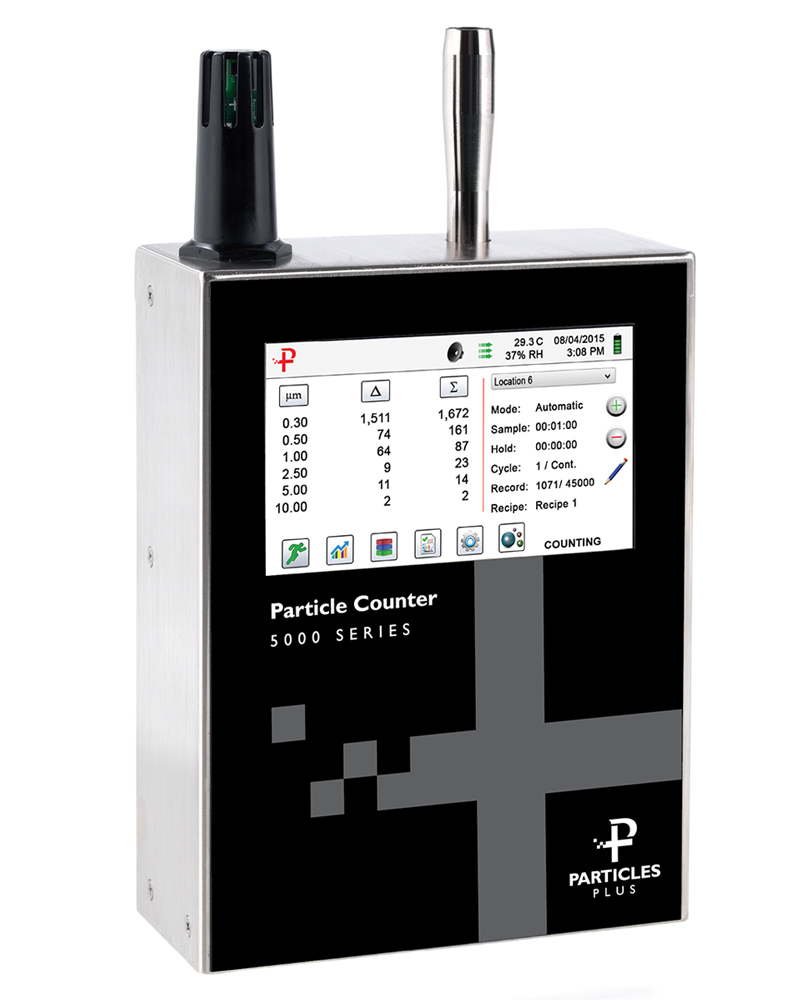
Particles Plus 5301P Particle Counter
Handheld Particle Counter
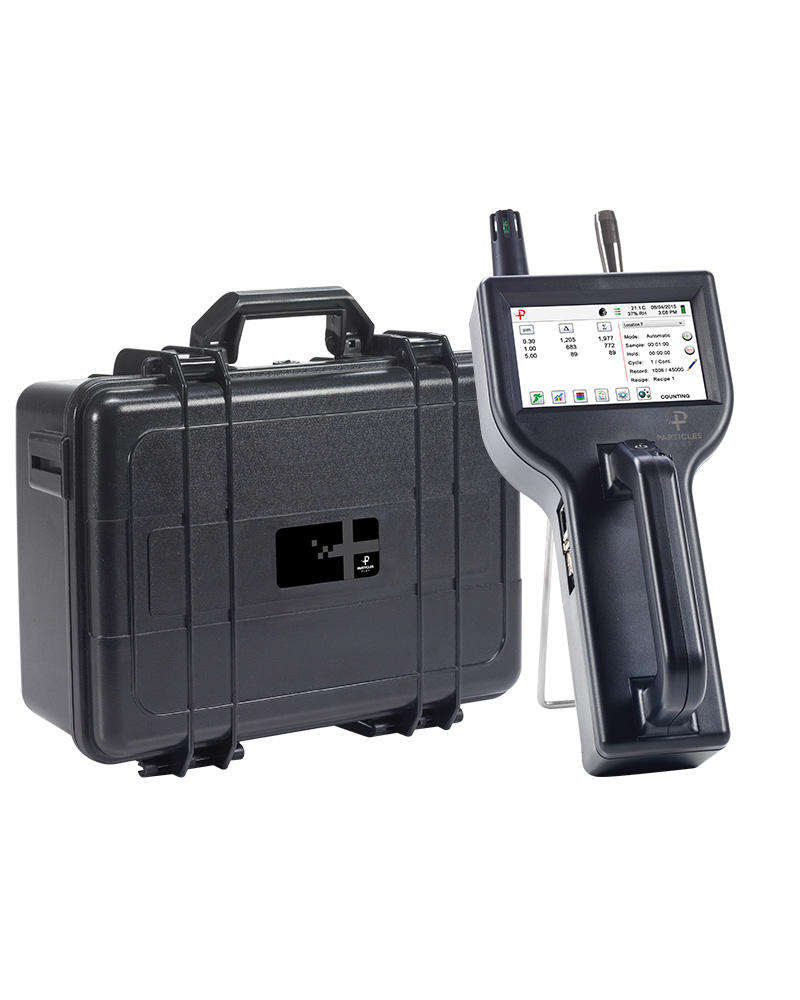
Particles Plus 8303 3 Channel Particle Counter
GMP Particle Counter
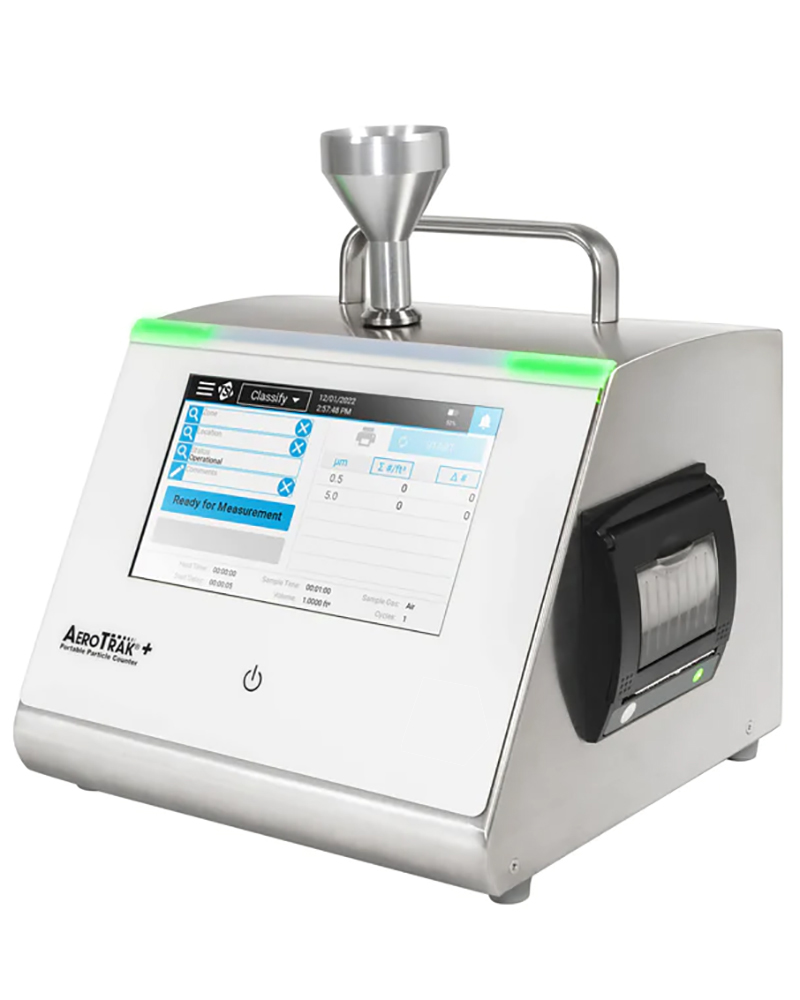
AeroTrak+ Portable Particle Counter A100
At Cleanroomshop, we stock over 2,000 cleanroom consumables, garments, and equipment from leading suppliers, so whether you’re setting up a new cleanroom, or stocking an existing facility, you can find the essentials to remain compliant, equip your team, and streamline your production processes.
If you’re in need of something specific, reach out to a member of our team who’ll be happy to support your requirements.