

 Supplying Cleanrooms Online for Over 20 Years
 Tailored Account Managed Solutions

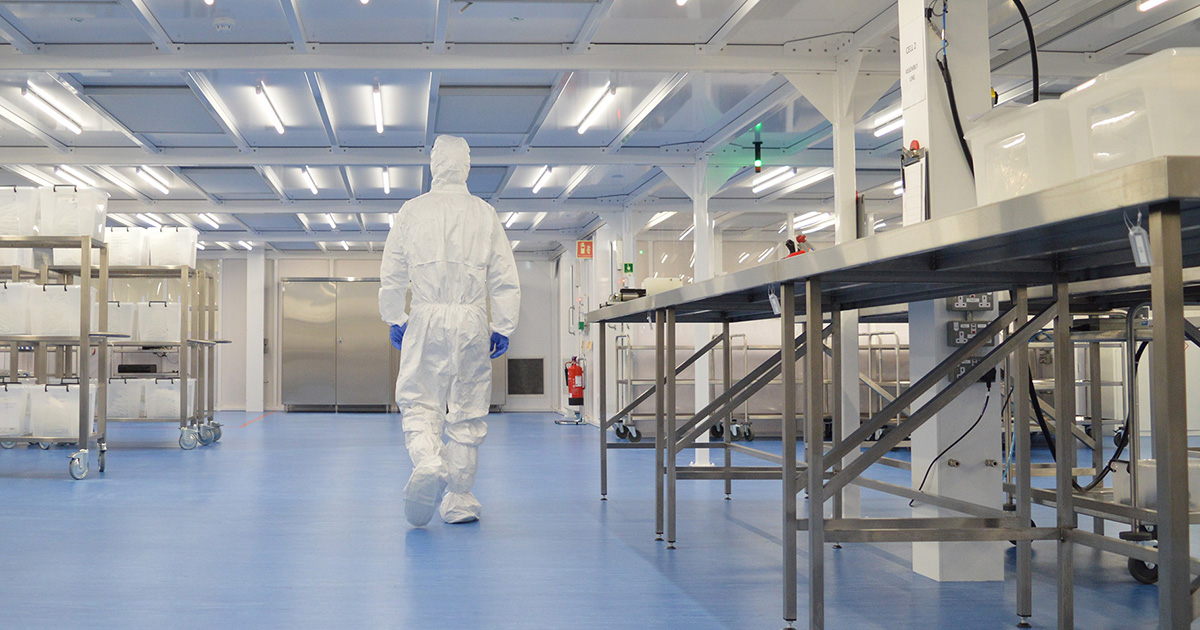
Choosing the right materials for a cleanroom is never just a design decision. Every component, from wall structure to furniture, plays a role in contamination control, operational efficiency, and long-term performance. Stainless steel remains one of the most widely used materials for cleanroom furniture, but not all stainless steel is the same.
In this blog, we’ll explain why stainless steel is commonly specified for cleanroom furniture, outline the different grades available, and help you decide which option is best suited to your cleanroom classification and application.
Why is stainless steel used for cleanroom furniture?
Stainless steel is an iron-based alloy that contains chromium, which forms a passive protective layer on the surface. This layer gives stainless steel its well-known resistance to corrosion and staining, even when exposed to moisture, cleaning agents, and chemicals.
In cleanroom environments, stainless steel is a popular choice because it offers a reliable balance of durability, hygiene, and longevity. It can withstand frequent cleaning and disinfection, resists damage from impacts and heat, and maintains its structural integrity over long periods of use. Unlike some alternative materials, stainless steel does not degrade easily or release particles when used correctly.
As a result, stainless steel is widely used across industries that demand controlled environments, including pharmaceuticals, medical devices, electronics manufacturing, aerospace, and research laboratories.
What grade of stainless steel should you select for your cleanroom furniture?
Stainless steel is used throughout cleanrooms in applications such as structural framing, wall protection, and furniture. For cleanroom furniture in particular, the grade of stainless steel selected can directly affect cleanability, corrosion resistance, and suitability for different standards.
When selected and used correctly (i.e., implementing maintenance and residue-removing protocols that can help prolong its lifespan), stainless steel furniture can positively impact the performance of a cleanroom. Step-over benches and transfer hatches encourage good protocol, while cleanroom tables and benches improve operatives’ comfort and productivity. When choosing furniture for your cleanroom, low particle retention, ease of cleaning, and resistance to cleaning chemicals are all important factors.
Different types of stainless steel
304 stainless steel
304 stainless steel is widely used for furniture across a range of cleanroom classifications and applications, predominantly ISO class 5 – 8. It contains approximately 18% chromium and 8% nickel, giving it good corrosion resistance, strength, and formability without unnecessary cost.
Its smooth, non-porous surface supports effective cleaning and low particle retention, making it suitable for environments where exposure to aggressive chemicals or prolonged moisture is limited.
304 stainless steel is commonly specified for cleanroom tables, shelving, benches, and trolleys in general cleanroom applications including electronics manufacturing, light industrial cleanrooms, and research facilities.
316 stainless steel
316 stainless steel build on the properties of 304 by adding molybdenum, which significantly improves resistance to corrosion from chlorides and harsh cleaning agents.
This enhanced durability makes 316 stainless steel a preferred option in pharmaceutical, biotechnology, and life sciences environments with frequent, intensive cleaning and stringent regulatory requirements.
Furniture manufactured from 316 stainless steel helps maintain surface integrity and is a popular choice for GMP grade cleanrooms, reducing the risk of degradation that could compromise contamination control.
Electropolished stainless steel
Electropolishing is a surface finishing process that removes microscopic surface irregularities from stainless steel. The result is an ultra-smooth finish with improved corrosion resistance and significantly reduced surface roughness.
This smoother surface limits areas where particles, residues, or microorganisms could accumulate, making electropolished stainless steel suitable for the most critical cleanroom applications.
It is typically specified for furniture used in aseptic processing, sterile manufacturing, and advanced pharmaceutical or life sciences facilities where the highest levels of cleanliness are required.
Benefits of stainless steel cleanroom furniture
Reducing particulates and the risk of contamination is the top priority in all cleanroom environments. Everything from its design, operations, and processes needs to embody a risk-based approach to contamination control, including its furniture.
Stainless steel cleanroom furniture offers several key benefits:
- High strength and durability, even under frequent use
- Long lifespan with the ability to repair or refurbish when required
- Resistance to heat and low electrical conductivity
- Excellent corrosion resistance
- Easy cleaning and compatilbility with harsh disinfectants and cleaning chemicals
These characteristics make stainlss steel a dependable choice for cleanrooms that require consistent performance over time.
Alternatives to stainless steel cleanroom furniture
While stainless steel is suitable for many cleanroom applications, it is not always the best solution for every environment. Each cleanroom has a unique set of operational and regulatory requirements, and alternative materials may sometimes be more appropriate.
At Cleanroomshop, Trespa and Sealwise furniture options are also available.

Trespa TopLab BASE offers moisture, chemical, and impact resistance. Its low particle retention and ease of cleaning make it well suited to cleanroom and laboratory environments where stainless steel may not be required.

Sealwise furniture features fully sealed joints, ensuring exceptional hygiene and cleanliness. This makes it particularly suitable for wet environments or areas that demand stringent contamination control measures.
Stainless steel cleanroom furniture is a strong choice for organisations that need a durable, long-term solution capable of withstanding frequent cleaning and disinfection regimes. Its resistance to heat, electricity, and corrosion makes is suitable for a wide range of cleanroom classifications and industries.
Choosing the correct grade, whether 304, 316, or electropolished stainless steel, depends on your cleanroom standards, cleaning processes, and operational risks. Cleanroomshop offers expert guidance, a full furniture fit-out service, and a wide range of off-the-shelf stainless steel cleanroom furniture. To discuss the right solution for your cleanroom, get in touch with a member of our team below.