

 Supplying Cleanrooms Online for Over 20 Years
 Tailored Account Managed Solutions

National Dangerous Goods Awareness Day aims to inform and guide businesses with the safety and appropriate handling of dangerous goods items in line with legislation and regulations.
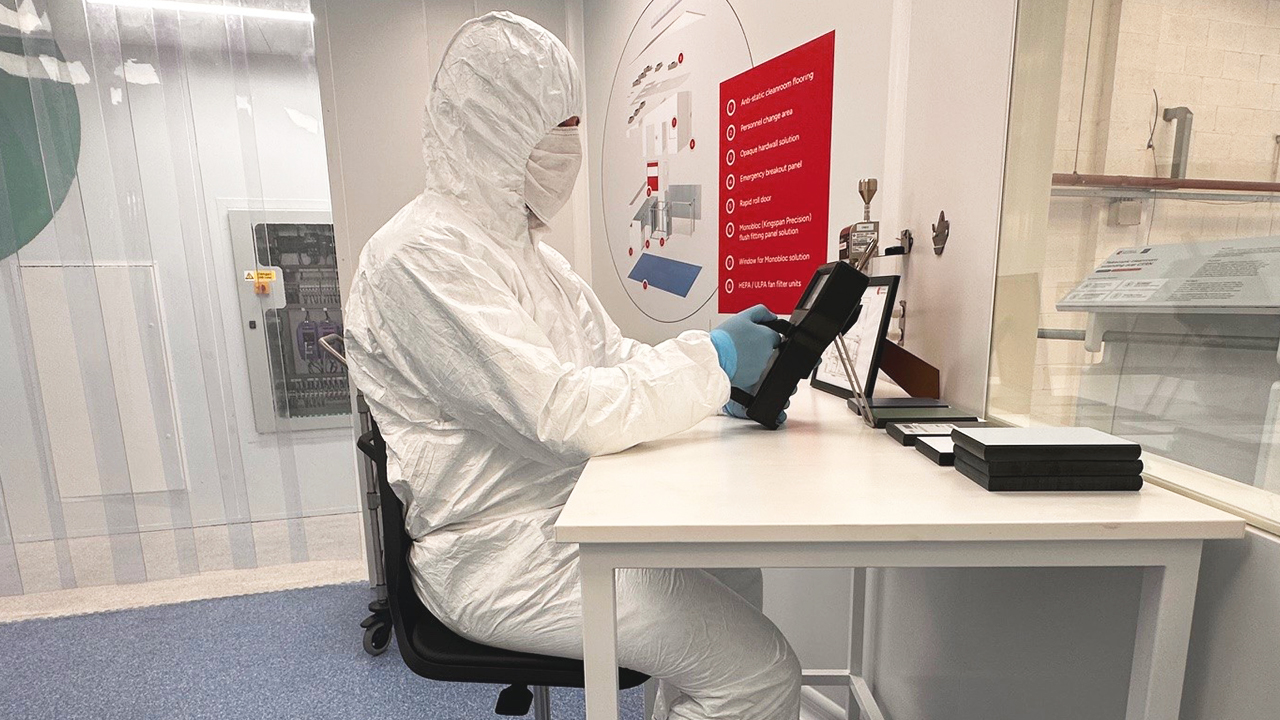
Dangerous goods are chemical products, substances, and equipment that pose a risk of immediate danger to people and/or mode of transport. We all use dangerous goods in our everyday lives; from washing clothing with alkali washing liquid, to flammable aerosol products including deodorants and hairspray. Within a cleanroom environment, common dangerous goods items can include cleaning solutions, widely used alcohol, and biocidal products. These present hazards to cleanroom users and environments, and regardless of risk level, dangerous goods should be handled, stored, and processed in line with best practices and regulations to ensure the safety and protection of personnel, property, and product integrity.
In this blog, we’ll break down how dangerous goods are classified, outline the best practices with handling dangerous goods items, and our commitment to dangerous goods safety for this year’s National Dangerous Goods Awareness Day.
What are Classified as Dangerous Goods?
According to the Science and Technology Facilities Council, dangerous goods are “substances which can cause harm to the person, pose a fire risk, can be explosive, or chemicals which would pollute the environment if released”.
Dangerous goods are identified and classified based on their immediate or chemical effectiveness, and are listed in a nine-class category system outlined by the UN Model Regulations:
- Class 1: Explosives
- Class 2: Gases
- Class 3: Flammable liquids
- Class 4: Flammable solids
- Class 5: Oxidising substances and organic peroxides
- Class 6: Toxic and infectious substances
- Class 7: Radioactive material
- Class 8: Corrosives
- Class 9: Miscellaneous dangerous goods
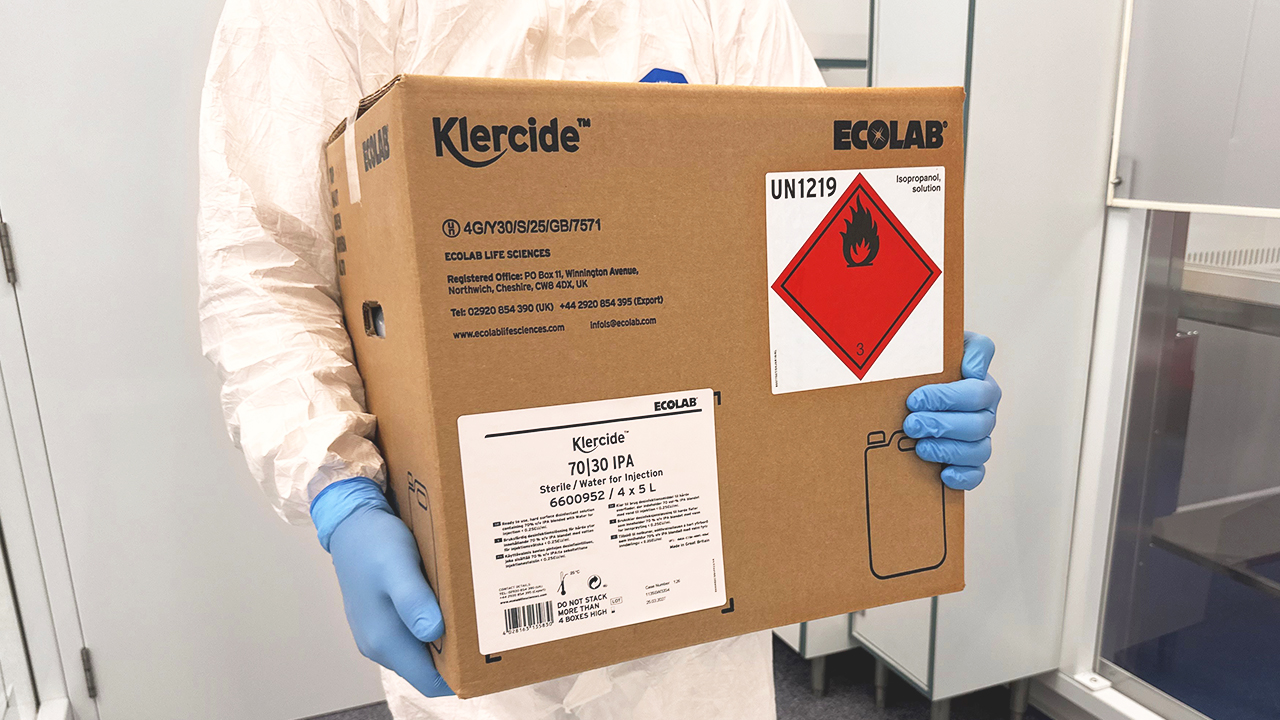
All dangerous goods items are recorded and identifiable by a United Nations (UN) four-digit number. For example, “UN1203” is gasoline. There are currently over 4,000 UN numbers in use, many of which apply to groups or categories of materials with the same hazard.
Products which carry a specific hazard will be marked with a GHS (Globally Harmonised System) label. These are used worldwide to inform users of the product’s associated hazard. Not all products which carry a GHS label are classed as a dangerous goods item, but in the instances they are, the GHS pictogram and UN number will be used in combination to communicate its potential risks and classification.
All hazardous and dangerous goods must be handled with care and transported in line with the protocols for the specific mode of transport to minimise the risk of harm, improve safety, and observe compliance with transport legislation.
Compliance and Legal Requirements of Dangerous Goods
Dangerous goods are highly regulated to ensure safety during manufacturing, transport, and storage. The Petroleum Act 1879 was among the first pieces of legislation to address the need for control over dangerous goods. This was introduced to refine the definition of ‘petroleum’ due to its flammable nature, specifically concerning its handling and transportation. Many legislations and regulations have been revoked and replaced over the years, with one of the latest being The Health and Safety at Work Act 1974 which includes a set of regulations that addresses areas such as the classification, packaging, and labelling of dangerous goods.
Under the provisions of the Carriage of Dangerous Goods and Use of Transportable Pressure Equipment Regulations 2009, any hazardous substances leaving any establishment should be packaged, labelled, and transported in a manner appropriate to both the item in question and the method being used to transport it. There are several up-to-date laws that address dangerous goods transportation requirements:
- ADR Carriage of Dangerous Goods by Road
- RID Carriage of Dangerous Goods by Rail
- IMDG Carriage of Dangerous Goods by Sea
- IATA Carriage of Dangerous Goods by Air
- Tunnel Regulations (for road and rail)
In cleanroom environments, GMP (Good Manufacturing Practices) regulations emphasise the need to handle dangerous goods with strict adherence to procedures to prevent contamination and errors, ensuring product and environmental safety. This involves specific requirements for storage, handling, and user training related to hazardous materials.
Failure to comply with regulations and legislation in relation to dangerous goods within a cleanroom environment can result in the following consequences:
- Regulatory Action: Including fines, GMP license revoked, or product recalls.
- Health & Safety Risks: Employee injury, exposure to hazardous substances, and potential liability under COSHH.
- Operational Disruption: Shutdown of cleanroom, loss of classification, production delays, and contamination.
- Reputational Damage: Loss of client trust, failed audits, and potential exclusions from supply chains.
- Financial and Legal Liability: Employee claims, denied insurance coverage, legal costs, or even criminal prosecution.
Our Commitment to Dangerous Goods Safety
At Cleanroomshop, we’re committed to ensuring that we’re fully compliant when shipping and transporting dangerous goods to maintain safety of personnel and vehicles involved in the entire transport chain – from dispatch at our site in the UK all the way to our customer’s door.
Our team holds current IATA Dangerous Goods by Air certificates, with a total of over 15 years’ experience with shipping dangerous goods items, so you can be sure that your orders will arrive safely and securely at your site in line with the latest legislation and regulatory requirements.
Best Practices with Handling Dangerous Goods in a Cleanroom Environment
If your cleanroom handles and stores dangerous goods as part of the production process, it’s essential to ensure that these are safely received and stored in accordance with applicable regulations and manufacturer recommendations.
When receiving, storing, and using dangerous goods, it’s crucial to follow specific procedures to maintain safety and regulatory compliance. It’s best practice to follow these steps in the following areas of dangerous goods handling:
- Packaging: Check that packages containing fully regulated dangerous goods are UN-approved and properly labelled according to their risk and method of transport.
- Storage: Ensure labels are clearly visible and unobstructed, and dangerous good items are stored with low risk of falls, leaks, or contamination.
- Documentation: Ensure, upon dispatch, any dangerous goods products are accompanied by the correct documentation to the final mode of transport being utilised.
- Training: Confirm that all personnel involved in handling dangerous goods have the necessary training and valid certification.
- Regulatory compliance: Ensure you’re familiar with and adhere to legislation and industry regulations (such as GMP standards) applicable to modes of transport being used.
Overall, dangerous goods are chemicals, substances, or equipment that pose a risk to health, safety, property, or the environment when not handled or transported correctly. While each dangerous goods item varies in risk level, users should ensure these are processed, used, and stored in line with legislation and regulatory guidelines.
Cleanroom environments that use dangerous goods should follow specific procedures to maintain the safety of personnel and integrity of products, with failure to do so resulting in fines, Health & Safety risks, reputational damage, financial and legal penalties, and even prison sentences.